Category: Uncategorized

  • Hair Accessories Wholesale Guide for African & Middle East Markets

    Hair Accessories Wholesale Guide for African & Middle East Markets

    Africa and the Middle East are among the fastest-growing markets in the world for wigs, braids, extensions and the salon accessories that go with them. A young, style-conscious population, a strong salon and barbershop culture, and rapid expansion of beauty retail have turned both regions into high-volume destinations for hair accessories. For importers and distributors, that growth is an opportunity — but it is also a market where the wrong product mix, the wrong payment terms, or a documentation slip can erase a season’s margin. This guide covers what actually sells in these markets, how local buying behaviour differs from Western markets, the logistics realities of shipping from South China, and how to build a landed-cost model that protects your margin.
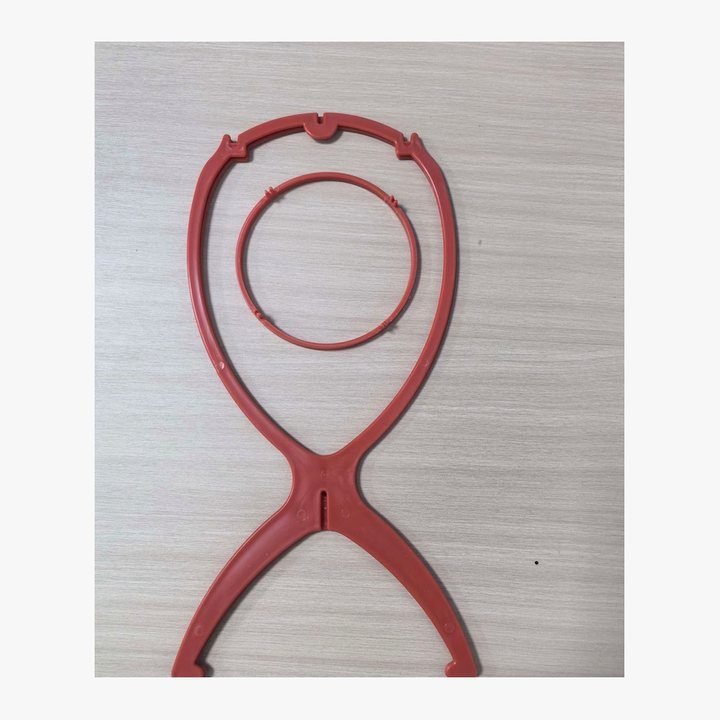
    Red foldable plastic wig stand GP-WS01, a fast-moving wholesale item
    Foldable stands travel flat and sell in every colour — which is why they dominate mixed containers.

    What Sells Best in These Markets

    The best-selling hair accessories in Africa and the Middle East overlap heavily with the core plastic line a manufacturer like Globaplas produces: foldable wig stands, tail and bone combs, continuous spray bottles, hair clips, and edge-control accessories. Wigs and braids drive the wig stand and comb business; salon and barber culture drives the comb, clip and spray bottle business. Within that mix, foldable designs are not a nice-to-have — they are a container-economics decision. A foldable wig stand collapses flat, which means two to four times more units fit in a carton and therefore in a container. For an importer shipping by sea to Lagos, Mombasa, Durban or Jebel Ali, the freight cost per unit is often the single largest variable in landed cost, and foldable geometry is the easiest lever to pull.

    Colour preferences matter too. Neutral and natural tones (black, brown, beige, clear) sell steadily, but both regions also show strong demand for bolder accent colours in salon tools — bright combs and clips that are easy to spot in a busy salon. The mistake is to assume the Western palette transfers directly; test with a mixed-colour trial order before committing a container to a single shade.

    Understanding Local Buying Behaviour

    Importers serving Africa and the Middle East rarely buy a single SKU in container quantity on the first order. The norm is a mixed container — several colours and several products consolidated to fill a 20-foot or 40-foot box — combined with a low-MOQ trial order to test the market. A manufacturer that forces you into a single-SKU, single-colour container is structurally wrong for these markets. Look for a supplier that allows mixed SKUs and mixed colours inside one production run and one container.

    Payment terms are the other behavioural difference. Cash flow is tight for many importers in these regions, and a 30% deposit / 70% before shipment T/T structure is far more workable than full prepayment. For sample orders, PayPal or Western Union keeps the threshold low. Letters of credit at sight are used by larger distributors and government-linked buyers. A supplier that only accepts one rigid payment method will limit your ability to scale.
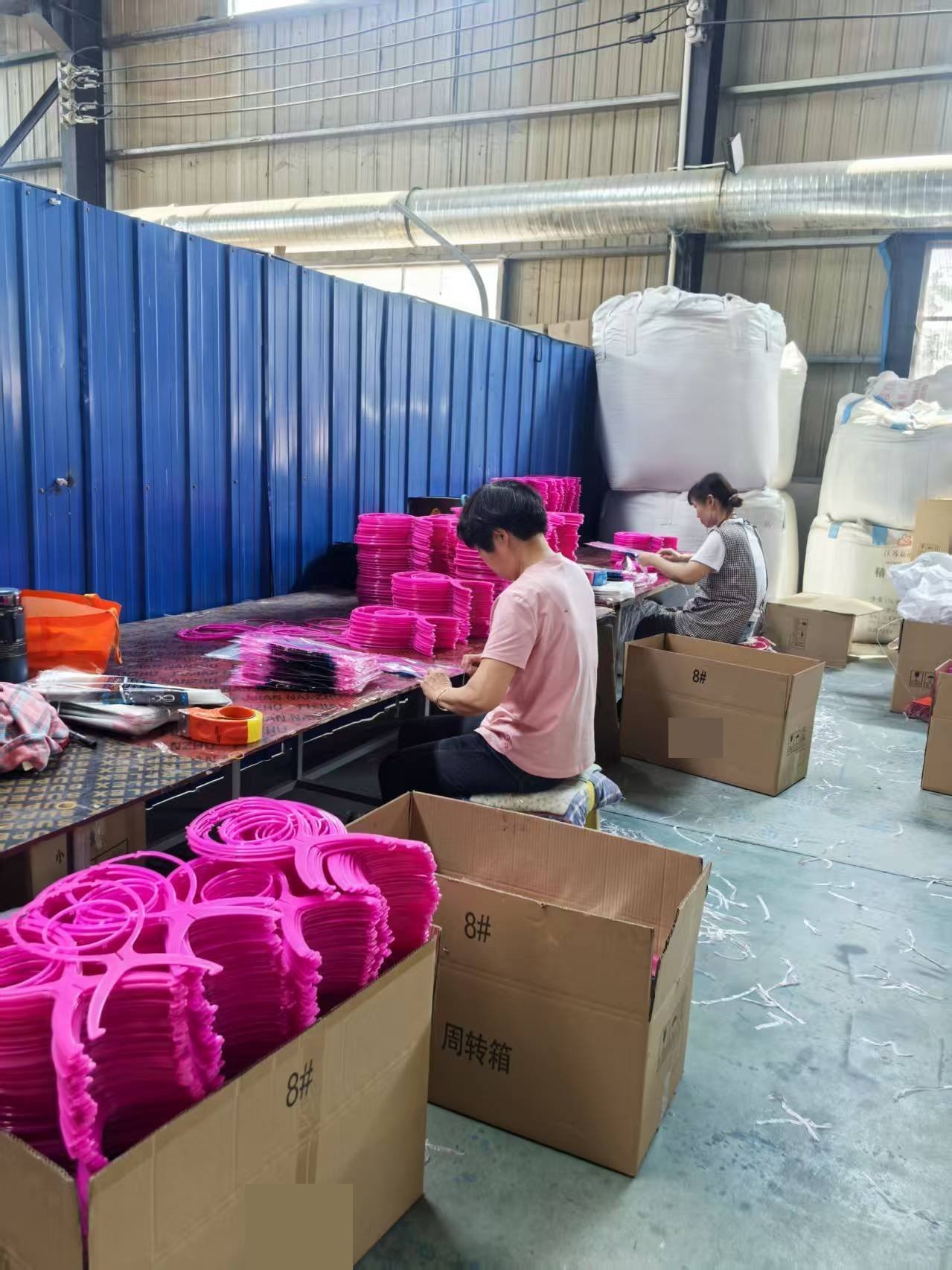
    Cartons being packed and stacked in the Globaplas warehouse before export
    Carton count, not unit count, is what you actually pay freight on.

    Logistics Realities

    Most hair accessories produced in Xuchang ship through major Chinese seaports and the Zhengzhou international rail hub. Typical sea transit times run roughly 25–32 days to West African ports (Lagos, Tema, Abidjan), 20–28 days to East Africa (Mombasa, Dar es Salaam), 18–25 days to the Middle East (Jebel Ali, Jeddah), and 30–35 days to South Africa (Durban, Cape Town). Add port congestion, customs clearance and inland transport, and door-to-door timelines stretch further. Air freight is viable for urgent restocks but multiples the per-unit cost. The practical answer for volume is sea freight with consolidated SKUs, correct documentation, and a freight forwarder who knows the destination port.

    Documentation is where first-time importers lose time. You need a commercial invoice, packing list, bill of lading, certificate of origin, and the correct HS code for the product category. Many plastic hair accessories fall under plastics tariff headings, but the exact classification depends on the destination country. A manufacturer with established export experience to your region will already have the paperwork patterned and can supply MSDS, REACH or RoHS reports on request.
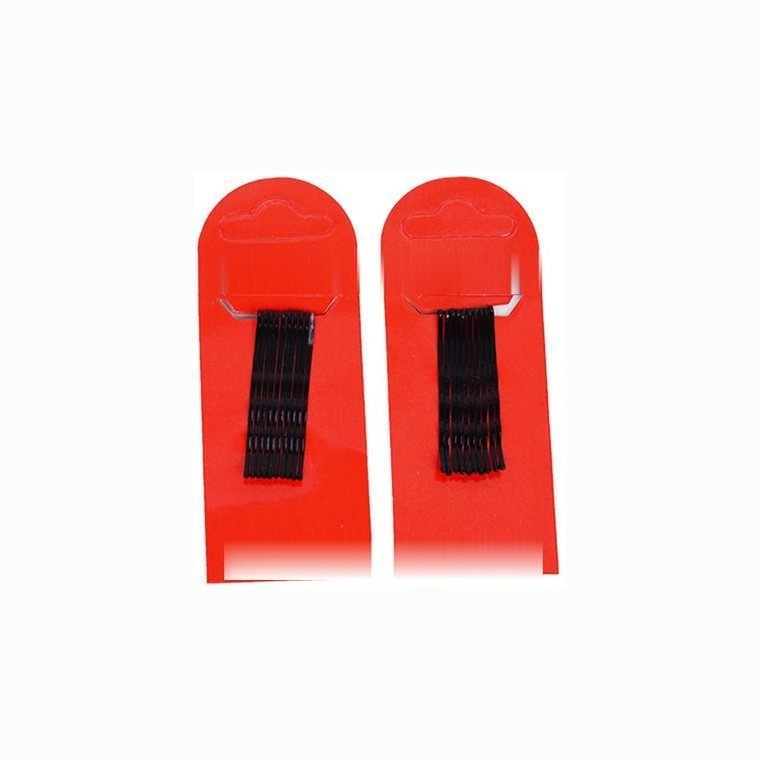
    Carded bobby clips packed on printed display cards for retail resale
    Carded packs carry a higher ticket than loose units at almost the same moulding cost.

    Pricing and Margin Structure

    The ex-works price of a comb or a wig stand is only the first line of your cost build-up. A realistic landed-cost model for these markets looks like this:

    • Product cost (ex-works unit price × quantity).
    • Freight (sea or air, divided by units in the container — foldable designs lower this line).
    • Duty (depends on destination country and HS classification — confirm with a customs broker).
    • Local taxes (VAT or equivalent, by country).
    • Inland transport and port handling at the destination.
    • Local distribution and warehousing.

    Where importers protect margin is on freight per unit (foldable geometry, full containers), on duty (correct HS classification), and on defect rate (pre-shipment inspection). A 5% defect rate that you discover after delivery is a direct margin loss you cannot recover. The single highest-leverage decision is not negotiating the ex-works price down by a few cents — it is getting the freight, duty and defect lines right.

    Working with a China-Based Manufacturer

    Before you place a container order, verify the supplier. The checks that matter for Africa and Middle East buyers are:

    • Factory audit — a real manufacturer expects an audit, in person or by a third-party inspector.
    • ISO 9001:2015 certification — evidence of a quality management system, not a one-off inspection.
    • Mould ownership — get in writing who owns any custom tooling and whether it is exclusive to your market.
    • Pre-shipment inspection reports — request photos and a final sample before you pay the balance.
    • Sample policy — a supplier that will not send a sample before a production order is a risk.

    Common Mistakes Importers Make

    • Ordering too many colours in a first container — splits volume, raises per-colour cost, and leaves slow movers.
    • Ignoring packaging for humid climates — plain OPP bags are fine, but printed boxes must use moisture-resistant inks and board for coastal markets.
    • No written spec sheet — a verbal agreement on material, size and colour leads to disputes at inspection.
    • Skipping pre-shipment inspection — the cheapest line item you can buy, and the one that saves the most.

    Conclusion

    Africa and the Middle East reward importers who get the product mix, the payment terms, the logistics and the landed-cost model right. Lead with foldable designs for container economics, consolidate SKUs, insist on written specs and pre-shipment inspection, and verify the manufacturer before you commit. When you are ready to scope a container for these markets, request a quote and a sample and we will help you structure a mixed-SKU order that fits your market and your budget.

    In Africa and the Middle East, margin is not won on the ex-works price — it is won on freight per unit, correct HS codes, and a clean pre-shipment inspection.
  • Continuous Spray Bottle Buying Guide for Salons & Distributors

    Continuous Spray Bottle Buying Guide for Salons & Distributors

    Continuous spray bottles have largely replaced aerosol cans in professional salons, and for good reason. They produce a fine, even mist without propellant, they can be refilled and reused, and they avoid the regulatory and shipping complications that come with pressurized aerosol. For distributors and private-label brands, that makes the continuous spray bottle a high-turnover, low-friction product — but only when the mechanism and the build quality are right. A bottle that sputters, leaks in transit, or stops spraying after a few weeks will come back as a return. This guide explains how the mechanism works, the specifications that matter, and the OEM options a manufacturer should offer.

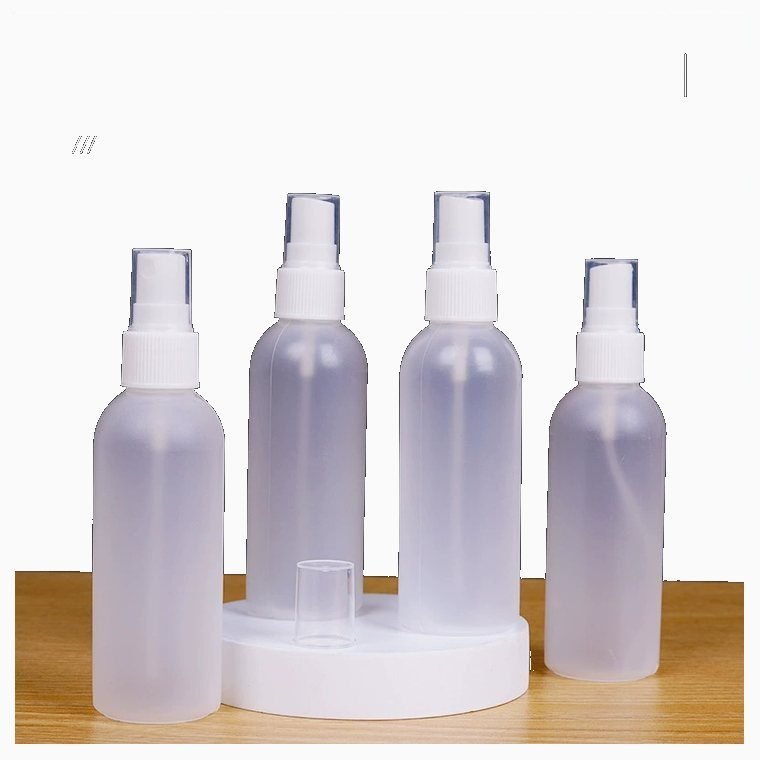
    Fine-mist continuous spray bottle GP-SB03 with trigger head, moulded in-house
    Fine-mist continuous spray bottle GP-SB03.

    How Continuous Spray Bottles Work

    A continuous spray bottle uses a pre-compressed air chamber and a trigger mechanism that releases a sustained, even mist rather than a single burst. When you pull the trigger, the chamber pushes liquid through a fine nozzle over a longer stroke than a standard trigger sprayer, producing a wide, fine mist. The better designs are 360-degree usable — they spray reliably even when held upside down or at an angle, which matters for stylists working around a chair. The result is a mist fine enough for even color application, dampening, or product distribution without soaking the hair.

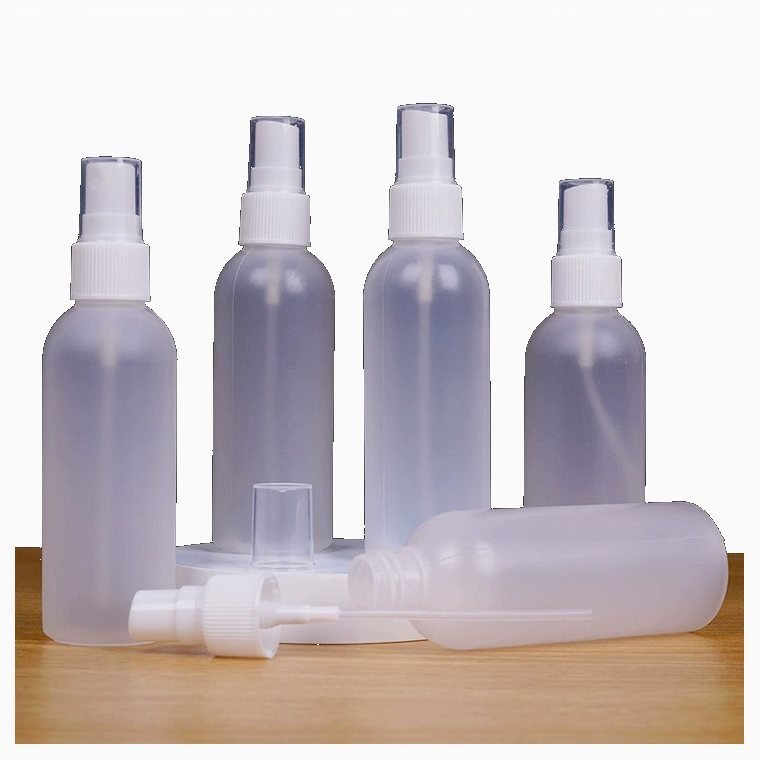
    Spray bottle neck, trigger head and body shown in detail
    Neck size and trigger geometry decide whether a bottle leaks in transit.

    Specifications That Matter

    When you specify a continuous spray bottle for a B2B order, the following parameters determine whether the product performs and survives shipping:

    • Volume: 200ml, 300ml, and 500ml are the common sizes. Choose based on your market — smaller for retail, larger for salon back-bar use.
    • Material: PET for a clear, premium look; PP for durability and lower cost. PET is transparent and recyclable; PP is more impact-resistant.
    • Nozzle orifice: the diameter controls mist fineness. A smaller orifice produces a finer mist but is more sensitive to clogging, so the liquid matters.
    • Trigger force: a comfortable pull reduces hand fatigue for stylists who spray all day.
    • Leak-proof seal: the critical failure point. A bottle that leaks in a carton ruins the whole carton, not just one unit.
    • Spray pattern: a wide, even fan is preferred for hair work; a narrower stream suits cleaning and disinfection.

    Choose the Right Model for Your Market

    The same mechanism serves several markets, and the right specification changes with the use case. For barbering and hair styling, a 300ml or 500ml bottle with a fine, wide mist and a comfortable trigger is standard. For hair coloring, a 360-degree bottle with a consistent mist pattern gives even saturation. For plant care, a finer mist and a smaller 200ml size suits home consumers. For cleaning and disinfection, a more robust trigger and a narrower spray pattern are preferable, and chemical compatibility of the seals becomes the priority. If you distribute across more than one of these channels, ask your manufacturer about a single bottle platform with different nozzles or volumes to cover them.

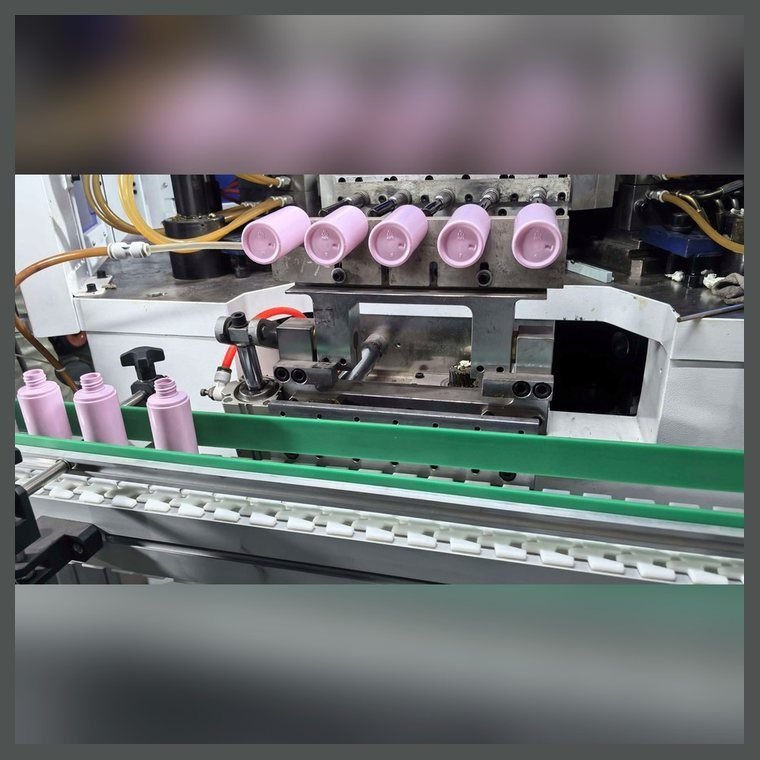
    Continuous spray bottle moulded in-house with the trigger assembly separated from the body
    Moulded on our own machines, so the trigger can be tuned rather than bought off the shelf.

    OEM Customization

    A manufacturer that can only ship a plain bottle leaves margin on the table. The OEM options that matter for a spray bottle program are:

    • Silk screen printing for logos, brand names, and measurement marks on the bottle body.
    • Pantone color matching for the bottle, trigger, or nozzle to match your brand identity.
    • Shrink wrapping for retail-ready presentation and tamper evidence.
    • Custom volume — a manufacturer with their own moulds can produce a specific capacity for your market.
    • Retail-ready packaging, including printed boxes or header cards for shelf display.

    Compliance and Shipping

    One of the reasons continuous spray bottles displaced aerosol is shipping simplicity. Because they are not pressurized and contain no propellant, they do not require a dangerous goods declaration, which simplifies freight and lowers landed cost. For buyers shipping internationally, request a Material Safety Data Sheet (MSDS) for the bottle and mechanism where required by your market, and confirm that the materials meet relevant food-contact or chemical-compatibility standards if your end use demands them. For the EU, ask about REACH compliance for the plastics and any printed finishes.

    Quick Answers to Common Questions

    What is the MOQ for a continuous spray bottle?

    Ready-stock designs carry no rigid MOQ. Custom logo and custom color programs are quoted per scenario — laser engraving keeps the threshold low.

    Are the bottles truly 360-degree usable?

    The continuous-spray mechanism is designed for 360-degree use, including upside-down spraying, which is what makes it suitable for salon work around a chair. Confirm the specific model in your sample test.

    Do I need a dangerous goods declaration?

    No. Continuous spray bottles are aerosol-free and not pressurized, so they do not require a dangerous goods declaration for sea or air freight.

    Conclusion

    The continuous spray bottle is a high-turnover product that rewards careful specification. Get the volume, material, nozzle, and leak-proof seal right, match the model to your end market, and use OEM options like silk-screen printing and Pantone matching to build a branded line. Because the product is aerosol-free, shipping is straightforward and landed cost stays low. When you are ready to specify a bottle program, request a quote and a sample so you can test the mist pattern, trigger force, and seal before you commit to a production run.

    In a spray bottle, the seal is everything. One leaking bottle in a carton does not cost you one unit — it costs you the whole carton.

    Related: Continuous spray bottle — 300 ml specification and pack options.

  • Tail Comb vs Rat Tail Comb: Complete B2B Sourcing Guide

    Tail Comb vs Rat Tail Comb: Complete B2B Sourcing Guide

    Tail combs are one of the highest-volume consumables in professional salons. Every stylist reaches for one to section, part, backcomb, and apply color, which means distributors and private-label brands move them in large, steady quantities. Because the unit price is low and the turnover is high, the comb category rewards buyers who get the specification right and punishes those who treat it as a commodity. This guide compares the tail comb and the rat tail comb, explains the materials and quality markers that matter, and lays out the OEM options a manufacturer should offer.

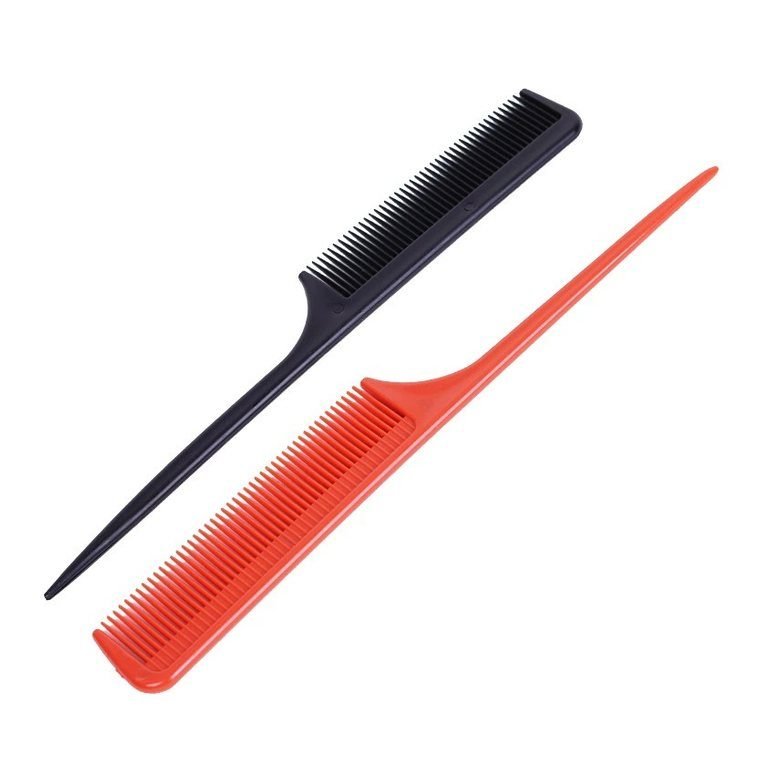
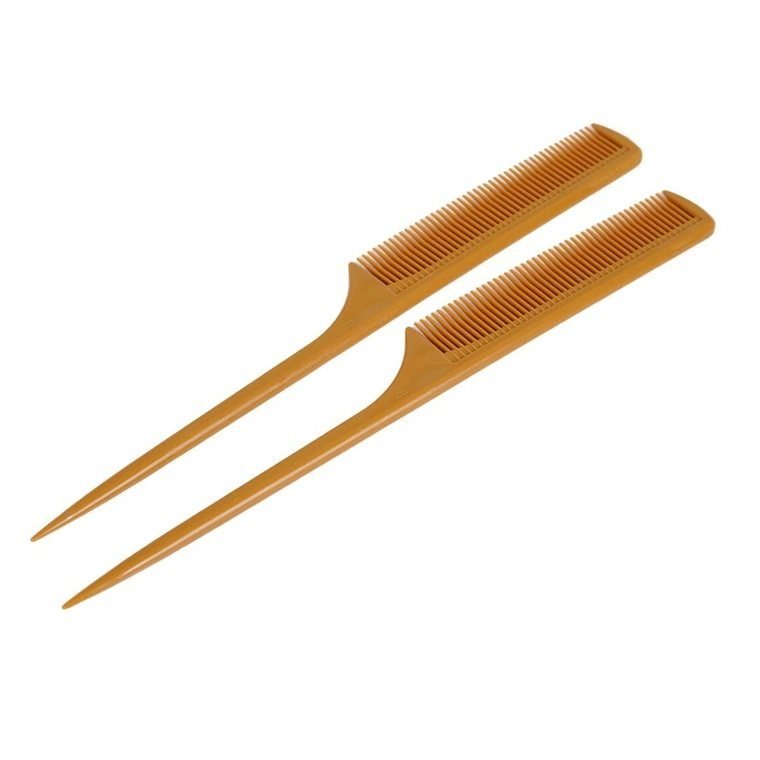
    Rat-tail sectioning comb GP-ST01 with fine teeth and a pointed tail
    Rat-tail sectioning comb GP-ST01 — pointed tail, fine spacing.

    Tail Comb vs Rat Tail Comb — What Is the Difference

    The two names are often used interchangeably, but for sourcing purposes there are meaningful distinctions. A tail comb generally has fine, closely spaced teeth with a long, thin tapering handle (the “tail”) used for sectioning and parting hair. A rat tail comb is a subset of the tail comb family where the handle is even thinner and more pointed, designed for precision parting and for teasing or backcombing close to the root. The differences a buyer should specify are teeth density (fine versus medium), handle shape and length, overall material, and intended use case.

    • Teeth density: fine teeth for clean parting and color application; medium teeth for general sectioning and backcombing.
    • Handle shape: a long, straight tail for parting; a thinner, more pointed rat tail for precision work and teasing.
    • Material: PP for economy, ABS for rigidity and gloss, carbon-fiber reinforced for anti-static and heat resistance.
    • Use case: sectioning, backcombing, color application, foil work, and precision parting.
    Close-up of a curved one-piece tail comb showing the moulded tooth profile
    One-piece moulding. No glued joint at the tail, which is where cheap combs fail first.

    Material Matters: PP, ABS, and Carbon-Fiber Reinforced

    The resin determines how the comb behaves in a working salon. Polypropylene (PP) is the economical baseline — flexible, light, and good enough for general use. ABS is stiffer and takes a higher polish, which gives a premium feel and a smoother finish on the teeth. Carbon-fiber reinforced combs are the professional upgrade: they are anti-static, which matters when working with fine hair and color application, and they resist heat up to around 120°C, so they survive contact with warm tools and hot water. Chemical resistance is a real consideration in a salon — a comb that degrades on contact with bleach or peroxide will not last a month. ABS and carbon-fiber reinforced materials hold up better against the chemicals used in coloring and lightening.

    What Salons and Distributors Actually Look For

    A comb is a small object, so the defects are small too — but salons notice them immediately. The parting line where the two mould halves meet should be clean; any flash (thin excess plastic) along the teeth will snag hair and mark the comb as low quality. Teeth should be smooth and uniform, with no burrs, and the comb should feel balanced in the hand. Color consistency between batches matters for distributors who reorder the same SKU over time: a comb that was black in March and slightly off-black in July signals inconsistent masterbatch dosing. Dishwasher-safe construction is a plus for salons that sterilize tools between clients.

    OEM Options for Comb Programs

    A manufacturer that only sells plain combs limits your margin. The OEM options that matter for a comb program are:

    • Hot-stamped logo on the handle or spine — durable and premium-looking.
    • Pantone color matching so your brand color is consistent across reorders.
    • Retail packaging, including blister cards, header bags, or printed sleeves.
    • Mixed bundles — for example, a set of fine and medium combs in one retail pack.
    • Private label — your brand name printed and packaged as your own product line.

    For a private-label program, the combination of Pantone-matched color, a hot-stamped logo, and retail-ready packaging is what separates a branded product from a generic comb with a sticker.

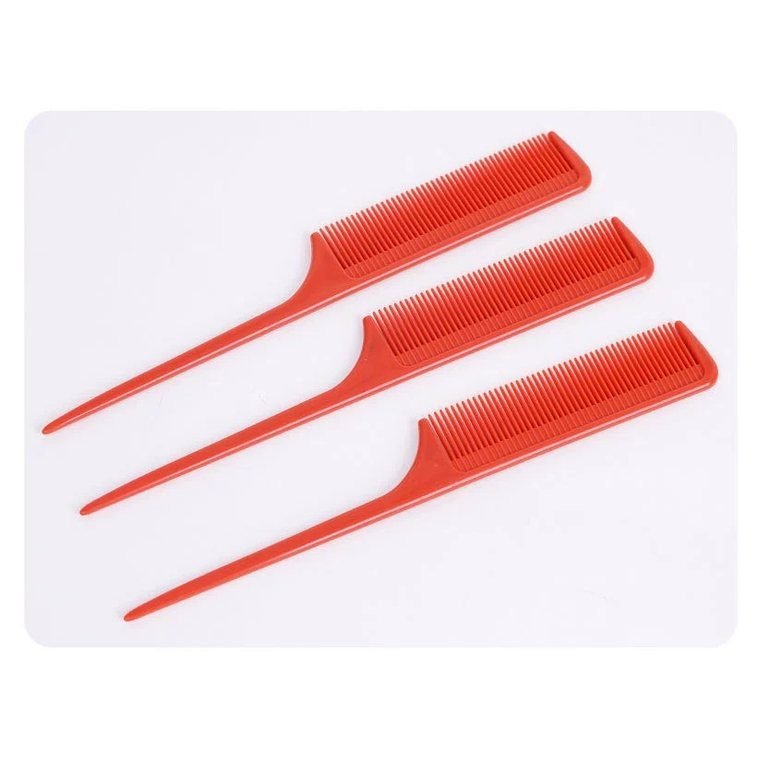
    Fine-tooth tail comb GP-ST02 with tapered handle for wig sectioning
    Fine-tooth tail comb GP-ST02 — the finer spacing is what separates it from a rat-tail.

    Quality Control Checklist

    Before you accept a production run, agree on the inspection standard in writing. A workable QC checklist for combs includes:

    • 100% visual inspection for flash, burrs, and sink marks on teeth and handle.
    • Flash removal as a defined step, not an afterthought — residual flash is the most common complaint.
    • Teeth strength test — teeth should return to position after a defined deflection without breaking.
    • Heat resistance test — the comb should not deform at the rated temperature (for example, 120°C for carbon-fiber reinforced models).

    Quick Answers to Common Questions

    What is the MOQ for a tail comb?

    Ready-stock designs carry no rigid MOQ. Custom logo programs are done by laser engraving with no strict minimum. Mixed-color and mixed-SKU orders within a container are available.

    Can I get anti-static combs?

    Yes. Carbon-fiber reinforced material provides anti-static performance and heat resistance up to around 120°C, which is the right choice for color and precision work.

    How long is production?

    Sampling takes about 3 days for existing moulds, and stock designs ship in about 3 days. Reorders of an existing SKU are typically faster.

    Conclusion

    The tail comb is a small product with a large reorder curve, which makes it a strong category for distributors and private-label brands — but only when the specification is right. Specify teeth density, handle shape, and material; insist on flash removal and a defined QC standard; and use OEM options like Pantone matching, hot-stamped logos, and retail packaging to turn a generic comb into a branded product. When you are ready to build a comb program, request a quote and a sample so you can evaluate the finish and balance in your own hand.

    A comb is judged in the first three seconds a stylist picks it up. Flash on the teeth, a rough parting line, or an unbalanced handle — any one of them ends the reorder.

    Related: Tail comb — teeth profile, material and carton quantities.

  • How to Choose a Wig Stand Manufacturer: 7 Factors B2B Buyers Must Check

    How to Choose a Wig Stand Manufacturer: 7 Factors B2B Buyers Must Check

    Wig stands are one of the highest-repurchase accessories in the wig and hair extension category. Every wig retailer, e-commerce seller, and salon that fits or stores wigs needs stands in volume — for display, for shipping, and for end-user care. For B2B buyers, that makes the wig stand a reliable, repeatable line item rather than a one-off purchase. But the same characteristics that make it attractive (low unit cost, simple geometry, high turnover) also make it easy to source badly. A stand that cracks after three months, arrives with sink marks, or cannot hold a heavy lace-front wig quietly erodes your brand. This guide breaks down the seven factors that separate a dependable wig stand manufacturer from a low-bid supplier, so you can qualify a partner before you commit a container.

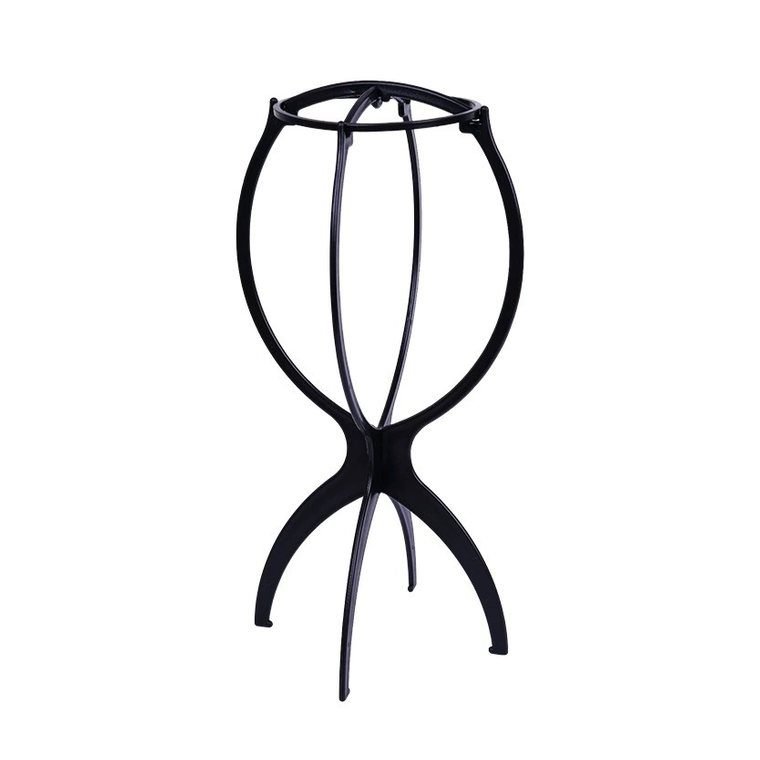
    Salon foldable wig stand GP-WS06 with tripod base, moulded in Xuchang, Henan
    Salon foldable stand GP-WS06 — the format most private-label buyers start with.

    7 Factors to Evaluate a Wig Stand Manufacturer

    1. Material and Durability

    The base material determines almost everything downstream — load capacity, surface finish, color stability, and how the stand survives a six-week sea voyage. The three common options are polypropylene (PP), acrylonitrile butadiene styrene (ABS), and recycled blends. PP is the workhorse for foldable wig stands: lightweight, inexpensive, and tolerant of the living-hinge folds that make a stand collapsible. ABS is stiffer and glossier, better suited to premium fixed stands where rigidity and a high-polish surface matter. Recycled blends lower cost but introduce batch-to-batch color variation and a higher risk of brittleness.

    Beyond the resin, ask about wall thickness and load capacity. A stand with thin walls may look identical in a photo but will flex and crack under a heavy wig. Request the actual wall thickness in millimeters and a documented load test — a credible manufacturer can tell you the weight a stand holds before deformation. Food-grade and BPA-free PP options are available if your market or retail partner requires them.

    2. Foldable vs Fixed Design

    Design choice is not just a product question — it is a freight question. A foldable wig stand collapses flat, which dramatically increases how many units fit in a carton and therefore in a container. For an importer shipping by sea, the cost per unit is driven less by the ex-works price than by how many units a 20-foot or 40-foot container holds. A fixed stand that ships assembled can carry two to four times the freight cost per unit of a foldable equivalent. If your margin is tight, foldable is almost always the right call; if you are selling a premium retail display piece, fixed may justify the freight.

    Steel injection moulds and tooling maintained in-house at the Globaplas factory
    Tooling kept on site. Ask who owns it before you pay for a new mould.

    3. Mold Ownership and Tooling

    Before you pay for any custom work, clarify who owns the mould. If the manufacturer owns the mould, you are buying a product they can also sell to your competitors. If you pay for the tooling, the mould should be yours — ideally stored at the factory but movable on request, and protected by a written exclusivity clause. Exclusivity can be regional (a single market), by color, or total. A manufacturer that cannot answer the ownership question clearly, or that refuses to put it in writing, is a structural risk for any private-label program.

    4. MOQ and Flexibility

    Standard MOQ for a wig stand is typically 500 pieces per design or color, rising to around 1,000 pieces when OEM logo printing is involved. The number that matters more than the headline MOQ, though, is flexibility: can you mix colors and SKUs inside a single container? A manufacturer that lets you combine several colors to fill a container lowers your inventory risk and lets you test the market without committing to a single SKU. Ask explicitly how many SKUs can share a production run and whether mixed-color orders affect pricing.

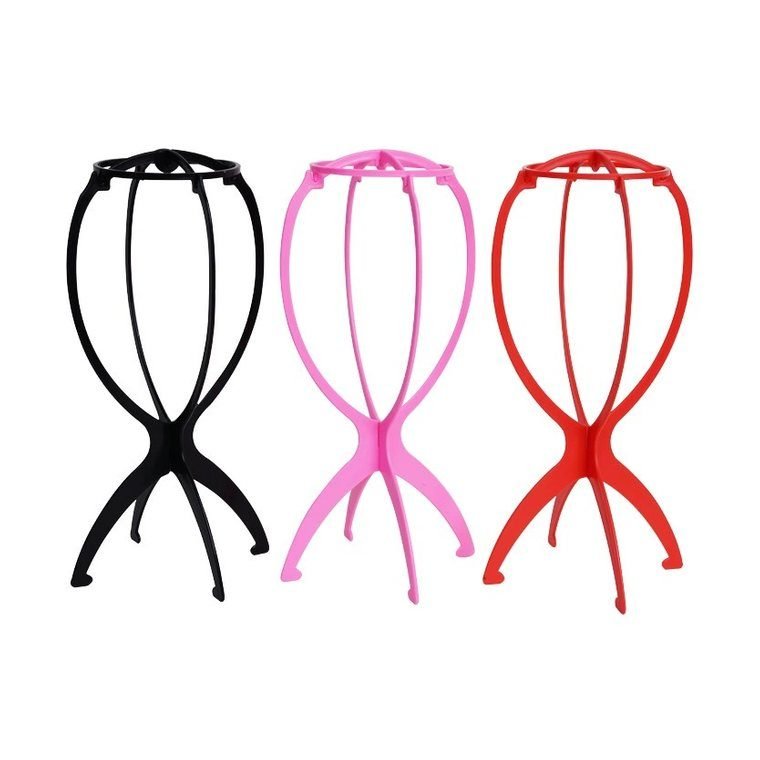
    Foldable plastic wig stands in four masterbatch colours: red, pink, white and black
    Four standard masterbatch colours. Custom matching needs a physical colour chip, not a photo.

    5. Color Matching and Logo Branding Methods

    Branding turns a generic stand into your product. The three common methods are masterbatch color (pigment mixed into the resin before molding, so the color runs through the entire part), silk-screen printing (a flat logo printed on the base or stem), and hot stamping (a foil transfer for a metallic or premium finish). Masterbatch color is the most durable because it cannot scratch off, but it requires a minimum run to justify the color batch. Silk screen is economical for logos and works on curved surfaces. Hot stamping is the premium option for retail-facing brands. A capable manufacturer should offer Pantone matching and show you samples of each method on an actual part, not a rendering.

    6. Compliance and Quality Testing

    Ask for documentation, not promises. ISO 9001:2015 certification tells you the factory runs a quality management system, not just a one-off inspection. For the product itself, request a BPA-free material declaration where relevant, a drop test report, and a load test report. A drop test simulates the stand falling from a shelf or counter; a load test confirms it holds a representative wig weight without permanent deformation. If you ship to the EU, ask about REACH and RoHS compliance for the resin and any printed finishes.

    7. Export Experience and Documentation

    A manufacturer that has never exported will cost you time at customs. Confirm the supplier can provide correct HS codes, a commercial invoice, packing list, and certificate of origin, and that they understand FOB, CIF, and DDP terms. Ask which ports they ship from and whether they can arrange freight forwarding or leave it to your agent. A factory with a track record in Africa, the Middle East, Southeast Asia, Europe, and Latin America will have already solved the documentation problems that stall first-time exporters.

    Red Flags to Avoid

    • No factory audit or refusal to allow a third-party inspection — a real manufacturer expects audits.
    • Unclear mold ownership — if they will not state in writing who owns the tooling, assume they will resell your design.
    • Refusal to send pre-shipment inspection photos or a final sample before balance payment.
    • Prices far below the raw material cost — if the quote is implausibly cheap, the resin, the wall thickness, or the QC is being cut.

    How Globaplas Supports Private-Label Wig Stand Projects

    Globaplas has been producing plastic hair and beauty accessories in Henan Province, China for years — first as an OEM partner for trading companies, now direct. We run 20 injection molding machines with assembly and quality control in-house, our core products carry third-party lab test reports from a CNAS-accredited laboratory (heavy metals not detected), and we work in PP, ABS, and PE with food-grade and BPA-free options available. Ready-stock designs carry no rigid MOQ, and custom logos are applied by laser engraving. Sampling takes about 3 days for existing moulds, and stock designs ship in about 3 days. We ship via your nominated forwarder and prepare export packing and documentation.

    Quick Answers to Common Questions

    What is the MOQ for a wig stand?

    Ready-stock designs carry no rigid MOQ. Custom logo is applied by laser engraving with no strict minimum. Mixed-color orders within a single container are possible — ask us how to structure a mixed-SKU order to lower your inventory risk.

    How long does sampling take?

    Sampling runs about 3 days for existing moulds. For a fully custom color matched to a Pantone reference, allow a little longer for masterbatch preparation.

    Can I get exclusive colors?

    Yes. Color exclusivity can be arranged by market or globally, and we will put the exclusivity terms in writing as part of the order confirmation.

    Conclusion

    Choosing a wig stand manufacturer comes down to seven checks: material and durability, foldable versus fixed design, mold ownership, MOQ and flexibility, color and branding methods, compliance and testing, and export experience. Run those checks before you place a container order and you will avoid the failures that quietly destroy margin — cracked stands, inconsistent color, and documentation delays at the port. When you are ready to qualify a partner, request a quote and a sample, and put the ownership and exclusivity terms in writing.

    The cost of a wig stand is not the ex-works price — it is the landed cost per unit after freight, duty, and defect rate. A manufacturer who understands that is the one you want.

    Related: Foldable wig stand — specifications, MOQ and ready-stock lead times.

Chat with Sales Manager